



The complaints target Parkwest Surgery Center LLC among several defendants. The center changed management after the 2023 surgeries and infections.
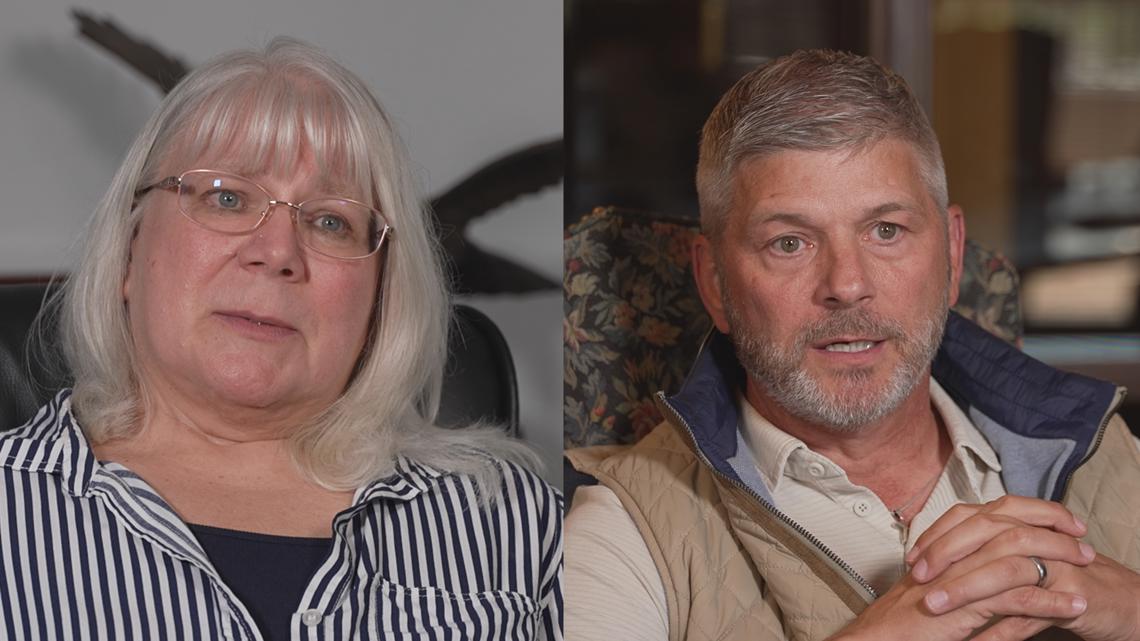
KNOXVILLE, Tenn. — For Mary-Beth Molitor, it’s a longed-for walk on the beach. For Rick Stimac, it’s simply a matter of adjusting mentally and physically to the new life he’s been handed.
That’s what they hope for and think about these days as they recuperate from operations that started in 2023 and were supposed to heal in a matter of weeks. Instead, the process for them has dragged on for years.
“I think the realization is my quality of life will never be what I wanted it to be,” said Stimac, who counted himself an active man until his June 2023 knee surgery. “I’ll never be where it should be. I guess my goal is to adjust, and with my faith, I’m very fortunate and blessed in many ways, so I’ll just take advantage of that.”
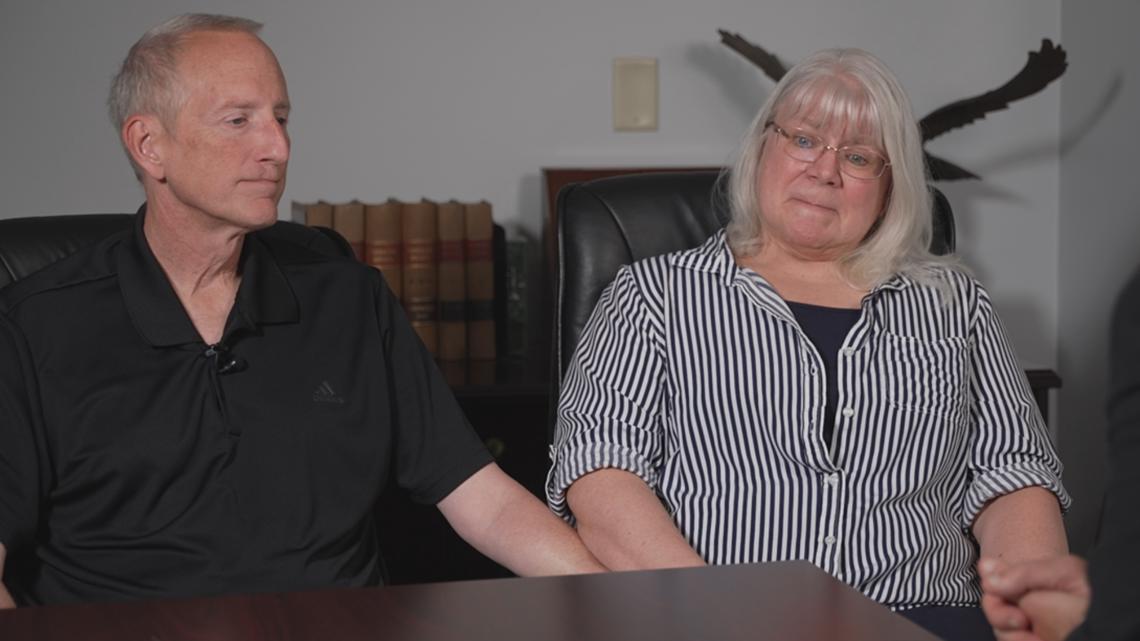
Molitor, of Jefferson County, and Stimac, of Knoxville, are among a handful of former patients suing Parkwest Surgery Center, a Knoxville ambulatory center at which they underwent knee surgeries in 2023. They name other defendants, including the doctors who operated on them.
The lawsuits allege personnel at the West Knoxville center were negligent in their care, exposing them to a bacteria, Mycobacterium fortuitum, that led to persistent and aggressive infections that the center was slow to spot. According to the lawsuits, the center failed to follow national infectious disease practices and protocols.
They allege the center failed to take adequate steps to protect against the possibility of contamination from unsterilized products, equipment or water. The lawsuits allege surgery center personnel kept on operating even when they knew they had an infection problem in 2023.
Molitor and Stimac have each sustained at least $1 million in health care bills while trying to get better from their original operations, their attorneys say. Molitor and Stimac say the ordeal has been a burden – to them, their spouses and their families.
Both say that at one point, they were told they might very well end up losing a leg because of the infection.
In all, four lawsuits are making their way through Knox County Circuit Court. A fifth complaint is being prepared, attorneys say.
Attorneys for many of the defendants, including the surgery center, generally have responded in court filings that their clients were not negligent and did not violate any standard of care.
The center at 9430 Park West Boulevard came under new management – Tennessee Orthopaedic Alliance – in spring 2024.
The center is not related to or part of Parkwest Medical Center in West Knoxville.
“Tennessee Orthopaedic Alliance and our dedicated physicians are committed to treating every patient as we would a member of our own family and we value the trust placed in us as health care providers. We recognize the impact, distress and uncertainty this situation presents our patients and their families,” said the alliance, whose full statement appears within this article.
In February, the Tennessee Health Facilities Commission and Parkwest Surgery Center LP reached a consent order that included civil penalties totaling $20,000. WBIR obtained a copy of the order, which you can read below.
While Mycobacterium fortuitum infections turned up in 2023 among patients following surgeries, the center was put back in “substantial compliance” May 15, 2024, after a March 2024 commission survey, the consent order states.
It’s amped up governing board policies, trained staff on infection control measures and adopted “enhanced” infection tracking reports that became effective May 1, 2024, the consent order states.
No new cases of the bacteria have been seen related to surgeries performed at the center after April 2024, a center representative told WBIR.
Lawyers representing the patients say it’s their understanding that perhaps 12-15 surgery center clients in total ended up getting infections during a months-long period in 2023.
There were warning signs that professionals ignored, they say.
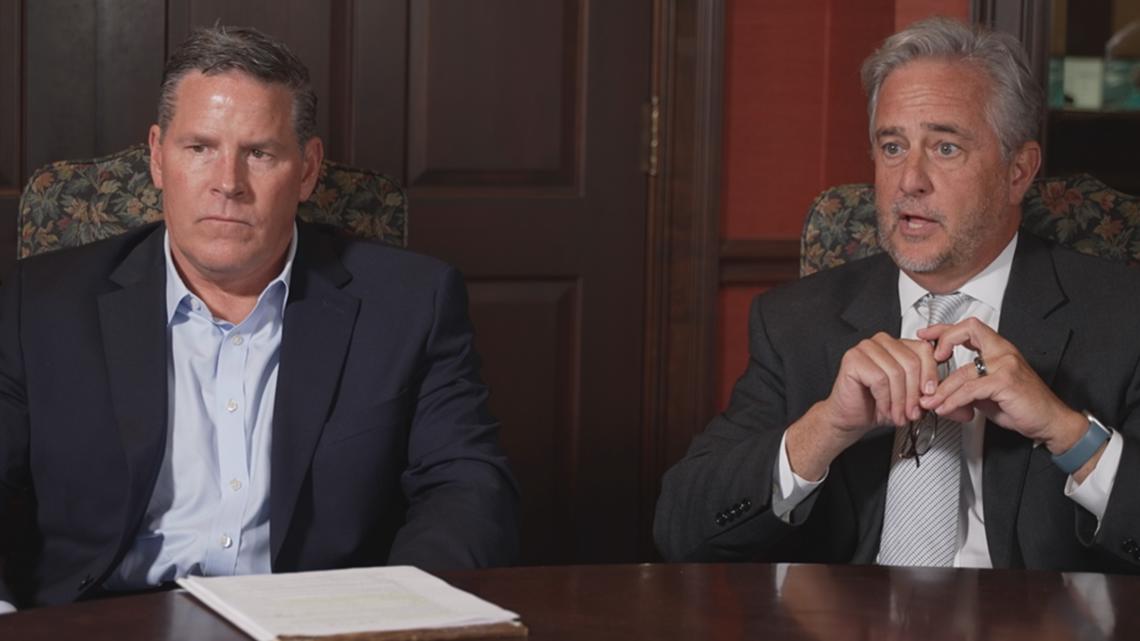
“There was a systemic failure on the part of Parkwest Surgery Center that had been going on for quite a period of time,” said Knoxville attorney Doug Nichol, who represents Mary-Beth Molitor and her husband, Joseph.

“I think the most egregious failure is that these patients were coming in to see their doctors and being recommended for joint replacement surgery when the physicians knew that there was an infection problem,” said Robert E. Pryor Jr., part of the Pryor, Priest, Harber, Floyd & Coffey firm representing several former patients.
Colleague Chris Coffey, who represents Stimac, told WBIR the center, back in 2023, could have shut down to ensure it had absolutely eliminated the Mycobacterium fortuitum outbreak. It didn’t do that, he said.
“This is very much a public health issue that everybody should know about, and they should have been told about it,” Coffey said. “There should have been an announcement that this place is not safe and we’re gonna stop doing surgeries until we get this figured out, and that wasn’t done.”
The stories of Mary-Beth Molitor and Rick Stimac share many similarities.
Both ended up moving from Wisconsin to Tennessee with their spouses. Both led active lives with their families and looked forward to carrying on once they got their right knees repaired.
Both assumed it’d just be a matter of weeks to recover. And both experienced fever, swelling and pain soon after their 2023 surgeries, the first signs that their operations hadn’t been so simple after all.
Molitor underwent a right total knee arthroplasty on April 3, 2023. Parkwest Surgery Center sent her home that same day. Experts say it’s rare for prosthetic joint infections to occur — happening in something like 1%-2% of all knee and hip arthroplasties.
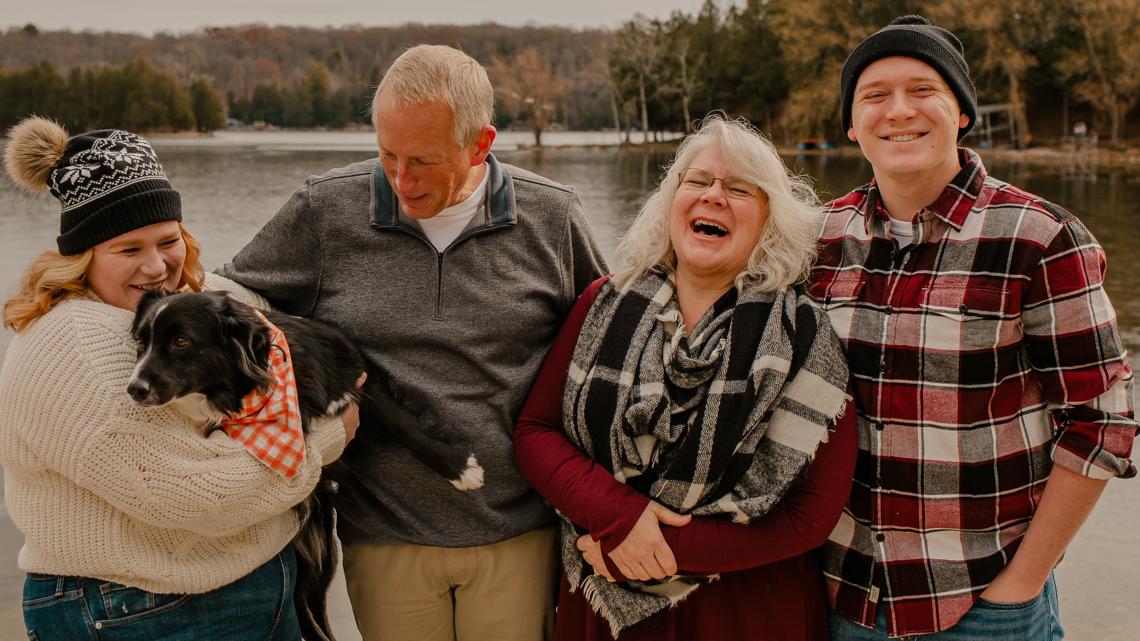
Molitor looked forward to soon returning to an active life, maybe even a job working in the fall as a “lunch lady” in the schools.
“I really wanted to be able to walk back down the driveway to get the mail without pain,” she told WBIR.

A month later, though, she told a physician’s assistant her knee was swelling and she had a fever of 101 degrees. Despite treatment, swelling and drainage continued that summer, she said. In June, the doctor noted “stitch abscess” and flushed out the right knee in June 2023 at an area hospital, her lawsuit states.
Infectious disease experts were consulted about the persistent infection in Molitor’s knee. Doctors tried various antibiotics; they were ineffective, the Molitors say.
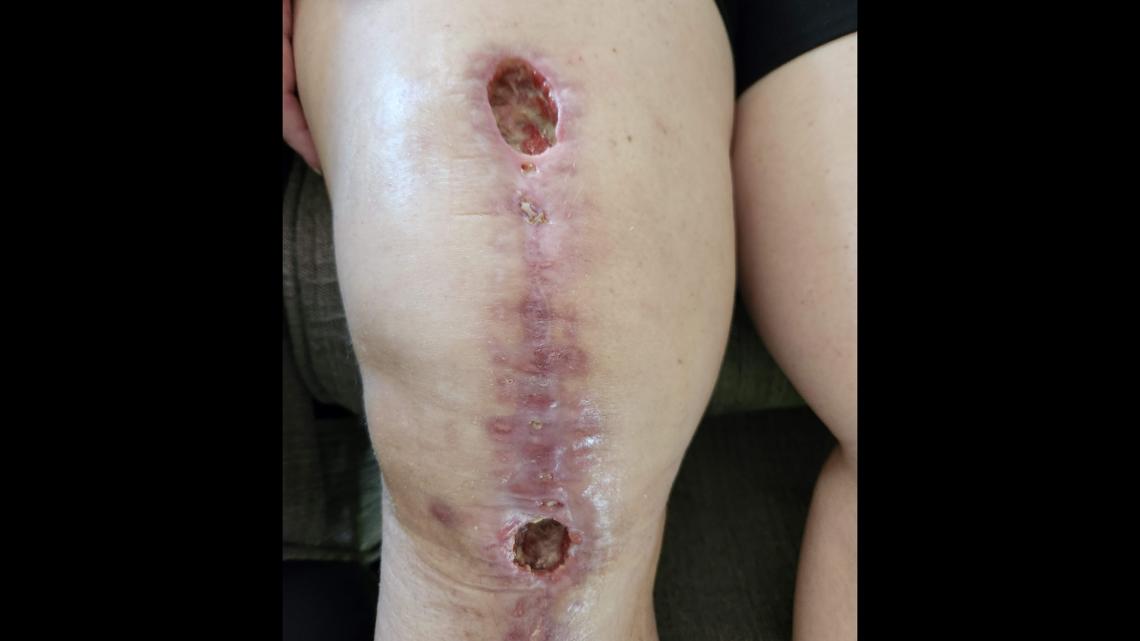
Molitor’s knee wouldn’t heal. By August 2023, she was undergoing weekly open wound treatment, her lawsuit states. The doctor referred her to a wound clinic.
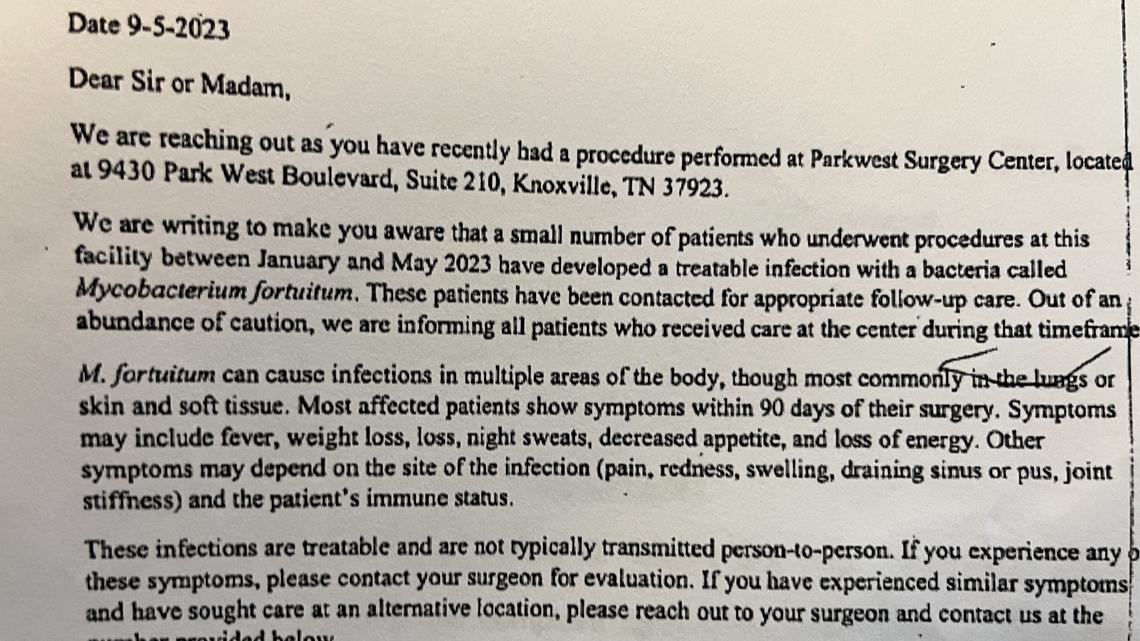
It wasn’t until Sept. 5, 2023, her lawsuit states, that she and her husband learned during a visit to Knoxville Infectious Disease Consultants that her infection was caused by something called Mycobacterium fortuitum.
It’s resistant to many kinds of antibiotics. It’s uncommon, Nichol said, and can lead to “catastrophic” infections in joint surgeries. Infections appear most commonly in skin and soft tissue.
Ten days later, the Molitors got even more news.

The center sent them a “Dear Sir or Madam” letter on Parkwest letterhead alerting them that “a small number of patients who underwent procedures at this facility between January and May 2023 have developed a treatable infection with a bacteria called Mycobacterium fortuitum.
“These infections are treatable and are not typically transmitted person-to-person,” the letter stated.
It continued: “We are confident that we are taking all the necessary precautions to address any potential infections. Parkwest Surgical Center (sic) continues to work closely with state and local public health agencies to ensure all patients are cared for safely and to the highest standards.”
Local care would continue through 2023. In January 2024, when she still wasn’t getting better, Dr. Conrad Ivie referred her to Vanderbilt Medical Center for a second opinion, she said.
In February, a doctor at Vanderbilt told her she’d “developed significant soft tissue complications and was at high risk of losing her leg,” her lawsuit states. The original hardware in her right knee was surgically removed and replaced, and skin from one part of her body was moved to her knee to help move forward with the healing.
“After surgery I asked the recovery nurse if I had my leg. I felt something funny and I didn’t know what I was feeling so I asked her, ‘Do I still have my leg?'” she said. “I didn’t know until that moment.”
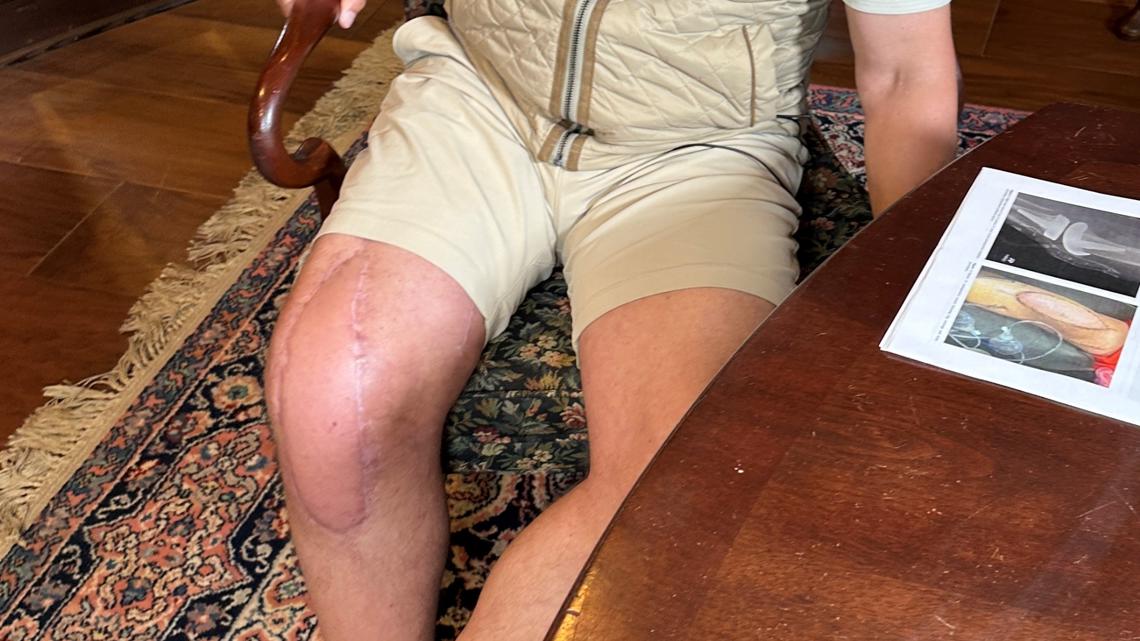
Molitor has been on multiple medications, some of which have affected her hearing. She has a long scar on her right knee.
Throughout the time since his wife’s first operation in April 2023, Joseph Molitor has kept his own job while caring for her and also helping care for Molitor’s parents, who live with them in Dandridge.
“It’s a shame it took its toll on me,” Mary-Beth Molitor told WBIR. “Sitting down with you here today – it’s nerve-wracking. I don’t feel I go out as much. I feel like I’ve withdrawn more in the last two years.”
Molitor said she’s learned over the last two years that “you have to be in charge of your health care, you have to advocate for yourself.”
Molitor said so far as she knows she’s been infection free since early January. She praises the personnel at Vanderbilt for the care they gave her.

THE MAN WHO BECAME A CASE STUDY
After enduring bone-on-bone pain and leg swelling after traveling on planes for work, Rick Stimac decided it was time for a more permanent fix on June 19, 2023, at Parkwest Surgery Center. He underwent a total right knee arthroplasty, anticipating four to six weeks of recovery.
It was the first of 10 operations he’d undergo to try to get the right knee right. He endured five here in the Knoxville area, and another five after finally being referred to Vanderbilt, he said.
Within days of being sent home in June 2023, Stimac began experiencing swelling, night sweats and loss of energy. The doctor agreed that the knee didn’t look right after the first operation, Stimac said.
By August, he was in the hospital to have the knee implant removed. The original prosthesis was infected, the lawsuit filed by Coffey states.
On Sept. 11, 2023, he learned he was infected with Mycobacterium fortuitum, the same bacteria as Mary-Beth Molitor.

When he got out of the hospital, Stimac and his wife, Jenny, found the same “Dear Sir or Madam” letter from the surgery center that the Molitors had gotten.
Stimac would go through several more operations here. By then, he’d begun asking questions like, why was he having to undergo so many operations and when was he going to get better?
After holding out hope he’d be able to do more pain-free after the surgery, Stimac was angry. Now he was looking at a quality of life that was going to be less than what he’d enjoyed before undergoing his first surgery in June 2023.
“It got to a point where there was not a lot of faith in what they were doing and what they were trying to do,” he told WBIR.


The doctor said it was time to get a second opinion, to try the staff at Vandy, he said.
Stimac would face five operations there. As far as he was concerned, he was starting from scratch.
“At that point there was a big gaping hole in my knee,” Stimac said.
Doctors cut out a 15-inch section of muscle from his back and grafted it to his knee. Bone around the knee had gone soft from the infection.
Like Molitor, he’d also been warned he could lose the bottom half of his leg. Thankfully for Stimac, that didn’t happen.
Until a few weeks ago, he was taking physical therapy regularly, and it’s been helping.
But he’ll never have the kind of mobility he once had with the right knee. For example, Stimac, who is Catholic, said he now cannot kneel as the congregation often is called upon to do during church services.
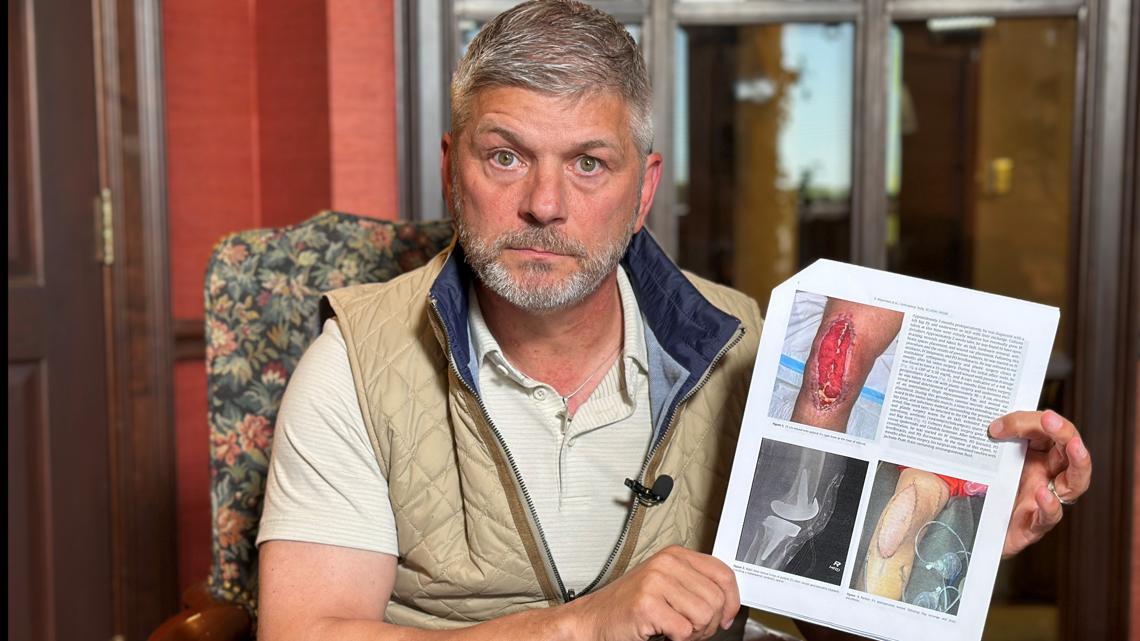
Stimac is among several of the plaintiffs who were highlighted in a 2024 report prepared by Vanderbilt doctors that looked at what happened in 2023 at Parkwest Surgery, Coffey and Stimac said. The report appeared in the journal Arthroplasty Today.
The report suggested the Knoxville contamination came from tainted water somewhere at the surgical center.
An M. fortuitum infection can lead to serious soft tissue damage, the report noted. Lessons can be drawn from the case study, according to the report.
“The devastating complications seen in our patients highlight the need for proper quality control, sterile processing, and environmental precautions,” they wrote.

For Stimac, it’s a very simple matter of accountability for those named in his lawsuit.
“For the root cause, somebody needs to be held accountable,” he told WBIR.
Defendants named in the lawsuits filed since last year include Parkwest Surgery Center LLC, Tennessee Orthopaedic Alliance, PA., and Ortholink ASC Corp. doing business as Parkwest Surgery Center, LLC. Dr. Conrad Ivie is named as a defendant in three of the four complaints.
Besides Stimac and Molitor, two other former patients have pending litigation.
Pryor filed suit in March in Circuit Court on behalf of Avis Lussier of Greeneville and her husband, Roland. Besides Parkwest Surgery Center, the Tennessee Orthopaedic Alliance and Ortholink ASC Corp., their complaint names Dr. J. Christopher Shaver. It does not name Dr. Ivie.
Avis Lussier underwent a right total knee replacement in November 2023 at the center, according to the complaint. Soon, however, she began demonstrating some of the infection symptoms the other patients experienced including high fever, pain and loss of energy, her complaint states. It turned out she’d been exposed to Mycobacterium fortuitum like the rest, according to the lawsuit.
“Discovery of the infection was made by practitioners on December 5, 2023, and on December 8, 2023, (the Lussiers) were advised of the infection and, to their great surprise, multiple previous patients of Tennessee Orthopaedic Clinic and Parkwest Surgery Center who had contracted the bacterial infection,” the lawsuit states.
At the time the defendant knew other patients had been experiencing fortuitum infections after undergoing operations at the Parkwest Surgery Center, the Lussiers allege in their complaint. They also knew there’d been various investigations by authorities into the bacterial outbreak and its source, the Lussiers allege.
Her infected medical prosthesis was removed from her right knee at an area hospital.
“She subsequently required months of extensive treatment by a number of medical specialists, underwent multiple surgeries and suffered extensive disability and illness,” according to the complaint.


Jeffery Casteel and his wife, Tammy, of Greeneville, also are suing Parkwest Surgery Center LLC and others. Casteel underwent right knee replacement surgery in May 2023, after Molitor but before Stimac and Avis Lussier.
Casteel’s complaint, filed by Olen G. Haynes Sr. of Johnson City, states Casteel suffered infection complications for which he “had multiple surgical procedures and has been left with a debilitating, disfiguring and permanent injury and has incurred substantial medical expenses and continues to be under medical care.”
Casteel, like Stimac and Molitor, received the September 2023 letter from the center alerting patients of the bacterial contamination.
Pryor said he’s preparing another lawsuit on behalf of a fifth former surgery center patient.
Tennessee Orthopaedic Alliance, the current center manager, issued a statement in response to inquiries from WBIR. It took over the surgery center in 2024. No new cases of the bacterial infection have turned up in conjunction with surgeries conducted there after April 2024, according to TOA.
Its statement reads in full:
“Tennessee Orthopaedic Alliance and our dedicated physicians are committed to treating every patient as we would a member of our own family and we value the trust placed in us as health care providers. We recognize the impact, distress and uncertainty this situation presents our patients and their families.
“TOA assumed operational and managerial control of Parkwest Surgery Center in April 2024, after purchasing it from the prior management group. At that point, we were in the position to take action regarding a limited number of post-surgical infections related to Mycobacterium fortuitum. We worked diligently along with our physician team to address the issue and understand how the situation occurred.
“TOA immediately identified and removed the likely source of the bacteria. At no time did any area of Parkwest Surgery Center test positive for the bacteria nor was it found on equipment or traced to any physician. There have been no new cases of Mycobacterium fortuitum infections associated with surgeries performed after April 2024.
“In May 2024, The Tennessee Department of Health confirmed Parkwest Surgery Center met all applicable standards for quality and infection control. The center has been and remains in full compliance with all local, state and federal regulatory agencies.
“The consent agreement entered in late February with the Health Facilities Commission addresses actions prior to TOA involvement. Because of TOA’s commitment to transparency and proactive efforts, all concerns have since been addressed and the surgery center continues to be compliant with the Tennessee Department of Health’s quality and infection control standards.”
In addition to denying negligence and without admitting to the merits of the complaints, attorneys for many of the defendants also say they’re prepared to argue there is “comparative fault” in the cases, meaning various defendants may share various amounts of liability or blame. The statute of limitations may also apply, they argue, as well as any pre-existing health problems or treatments the patients may have had before their operations.
Trials, if they do take place in any of the cases, likely won’t occur for months if not years.
Beyond those who have filed suit, lawyers for the plaintiffs said, there are broader implications and questions. There are public health concerns, Nichol said.
“When you get into a situation like this, it’s important that people know this can happen and that we rely upon (health care professionals) following the law and regulations to prevent it from happening,” Nichol said.
Patients go in for treatment with trust that conditions are safe and that they’re going to be OK, Coffey said.
“There’s a risk of infection in all joint replacement surgeries, for sure,” he said. “But in this case the facility created the risk itself, right? Not just, ‘the patient didn’t keep his wound clean.’ They had a facility that was harboring bacteria because they didn’t know how to clean it – and the (state) Department of Health says that – that’s not just me.”
Pryor said this case underlines the need for more regulation.
“I would like to see maybe better federal regulation, better state regulation,” he said. “We would certainly like there to be some teeth in whatever it is because obviously these orthopaedic clinics and surgery centers are not gonna police it themselves.”

link
More Stories
Median Arcuate Ligament Syndrome | Orlando surgeon explains signs, symptoms and treatment
Gyder Surgical announces first commercial surgical cases in the United States performed by Dr. Paul M. Lombardi, M.D., at the Tri-County Orthopedics’ Joint Replacement Institute outpatient center
Bunion Surgery Market Get Facts About Business Strategies 2026 to 2031: Medi-tech Insights